
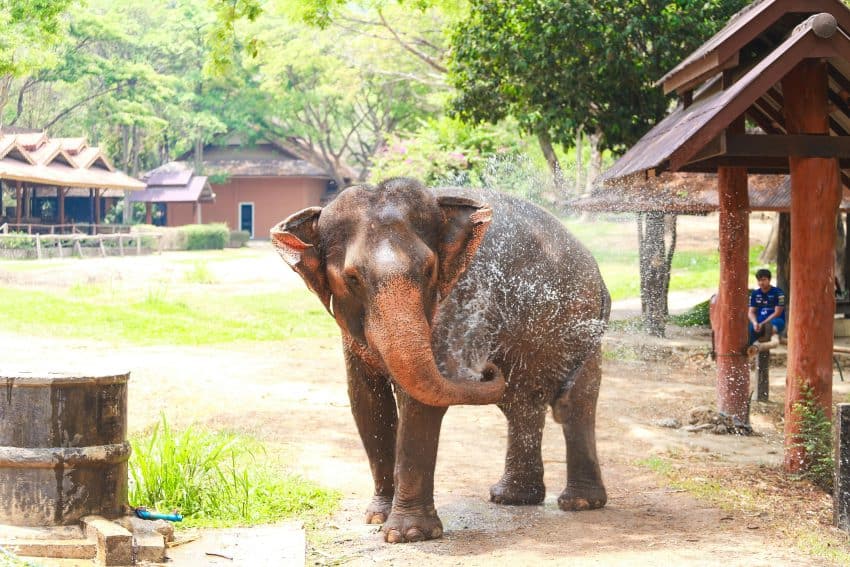
Elephant conservation for travellers refers to the actions individuals can take to protect elephants beyond a single travel experience. This includes ethical tourism choices, continued financial support, advocacy, and sustainable lifestyle decisions that contribute to long-term welfare and habitat protection.
Elephants are keystone species whose survival directly affects biodiversity, forest health, and ecosystem balance. Visitors to an elephant sanctuary in Samui, such as Samui Elephant Haven, often discover that responsible tourism can extend far beyond their time on the island.
What Does Elephant Conservation Mean for Travellers?
Elephant conservation for travellers means making informed decisions that prioritise animal welfare and environmental sustainability. It focuses on reducing harm while actively contributing to protection efforts beyond tourism.
For guests visiting an elephant sanctuary Samui experience, this responsibility continues after the visit through ongoing support and advocacy.
Why Elephant Conservation Matters
Elephants help maintain healthy ecosystems by dispersing seeds and shaping landscapes. Their decline leads to habitat degradation that affects many other species.
Asian and African elephants continue to face threats from deforestation, poaching, and human–wildlife conflict. Ethical sanctuaries in destinations like Samui play an important role in education and conservation awareness.
Choosing Ethical Tourism Experiences
What Makes a Wildlife Experience Ethical?
An ethical elephant experience prioritises animal welfare and natural behaviour. Reputable elephant sanctuaries in Samui focus on observation and education rather than entertainment.
- No riding, performances, or forced interaction
- Observation-only experiences that respect distance
Examples of Ethical Tourism Practises
Ethical tourism models focus on conservation outcomes and community involvement.
- Sanctuaries that allow elephants to roam freely without visitor contact
- Educational programmes explaining elephant behaviour and threats
Support Elephant Conservation After Your Visit
1. Donate to Reputable Conservation Organisations
Donations fund veterinary care, habitat protection, and anti-poaching initiatives. Many elephant sanctuaries in Samui rely on continued support from visitors after they return home.
- Clear financial accountability
- Long-term conservation programmes
2. Adopt or Sponsor an Elephant
Elephant adoption programmes allow travellers to support individual animals remotely. This is a meaningful way to stay connected to an elephant sanctuary in Samui long after your visit.
Sponsorship often includes updates on the elephant’s health and environment.
3. Advocate and Educate Your Community
Sharing knowledge amplifies the impact of responsible travel experiences.
- Sharing ethical elephant sanctuary Samui experiences online
- Participating in awareness campaigns such as World Elephant Day
Supporting Local Communities and Ecosystems
Conservation succeeds when local communities benefit from protecting wildlife.
- Supporting locally run tourism initiatives in Samui
- Purchasing fair-trade goods from surrounding communities
This approach strengthens conservation efforts connected to elephant sanctuaries in Samui.
Lifestyle Changes That Help Elephant Conservation
Daily choices outside travel also influence elephant habitats.
- Avoiding products linked to deforestation
- Supporting policies that protect wildlife and ban ivory trade
These decisions reduce long-term pressure on elephant ecosystems.
Conclusion
Elephant conservation does not end when a trip does. Travellers visiting an elephant sanctuary Samui experience can make a lasting difference by choosing ethical experiences, supporting conservation financially, educating others, and adopting sustainable habits at home.
By continuing engagement beyond the visit, travellers help protect elephants, their habitats, and the communities that coexist with them. Ethical travel choices today shape the future of elephant conservation worldwide.