
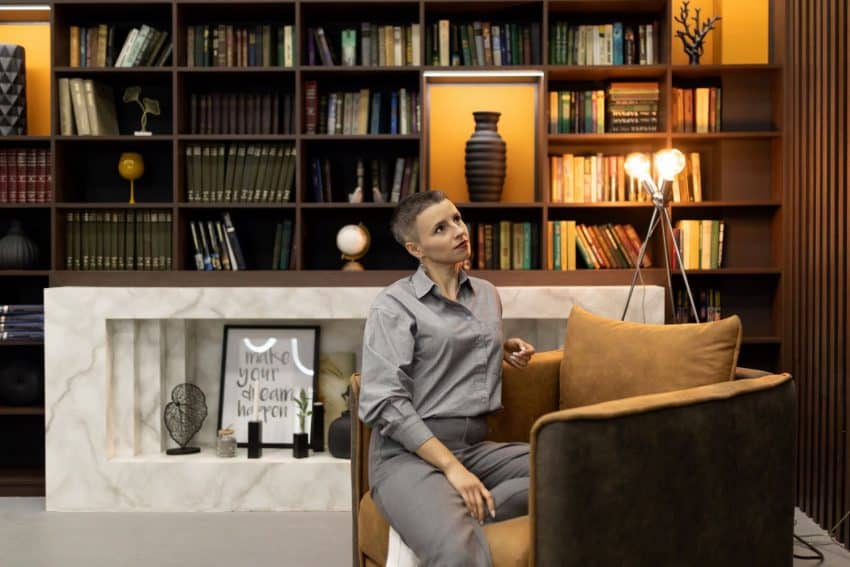
Searching for an interior designer Bangkok locals trust? We hear you. Bangkok’s property market is fast-moving, design-forward, and uniquely local, from high-rise condos overlooking the Chao Phraya to shophouse conversions in Ari. Working with a local interior designer not only saves time but helps you avoid common pitfalls with permits, procurement, and culture-specific design choices. In this guide we’ll walk through why hiring locally matters, how to choose the right designer, current Bangkok design trends, the typical project process and timeline, realistic budgeting, and practical tips for sourcing contractors and materials. Our aim: give you the confidence to start a Bangkok project and know what to expect at every stage.
H2 [7HISVYRGPf3GxEaOv-6pt]: Why Hire a Local Interior Designer in Bangkok
Bangkok’s neighborhoods each have their own character, regulations, and supply chains. A local interior designer brings:
- Regulatory know-how: They understand condo rules, building management committees (BMs), and municipal permits so you won’t be surprised by delays or rejected plans.
- Established local networks: Designers in Bangkok have trusted contractors, carpenters, and furniture makers, that matters when timelines are tight.
- Cultural and climatic insight: We design for Bangkok’s heat, humidity, and lifestyle patterns (think airflow, materials that withstand moisture, and storage for scooters, wet umbrellas, and groceries).
- Market awareness: Local designers know where to source authentic Thai accents, high-quality imported finishes, and competitively priced custom work.
Hiring locally reduces friction and often lowers cost because designers can visit sites quickly, inspect workmanship, and negotiate directly with suppliers. For foreigners or busy professionals, a Bangkok interior designer effectively acts as a local project manager, interpreter, and trusted advisor.
H2 [21JWJe7i70iuAq4gXltsc]: How To Choose the Right Designer in Bangkok
Choosing a designer is partly about taste and partly about fit. We recommend a methodical approach so you pick someone who delivers on style, budget, and timelines.
Style And Portfolio Fit
Start with portfolios. Look beyond glossy photos, ask for before-and-after shots, multiple completed projects of the type you’re planning (condo, townhouse, office), and references. If we’re pursuing a tropical modern condo, a designer who’s only done minimalist Scandinavian schemes might be a mismatch. Meet designers who show variety but demonstrate a clear signature that resonates with your vision.
Credentials, Experience, And Client Reviews
Credentials matter less than proven experience, but professional affiliations (local design associations) and formal qualifications can signal rigor. More importantly, request client references and check online reviews on Google, social media, or expat forums. Ask previous clients about adherence to timelines, communication responsiveness, and problem-solving skills.
Budget, Fees, And Contract Terms
Transparency about fees is crucial. Designers in Bangkok typically charge a flat fee, a percentage of the project cost (commonly 10–20%), or a combination. We always request a detailed proposal listing scope, deliverables, payment schedule, and exclusions. Pay attention to change-order policies, these will protect your budget if you alter materials or scope mid-project.
Communication, Language, And Cultural Fit
Good chemistry speeds projects. Verify language, many Bangkok designers are bilingual, but confirm who on the team will communicate with you during construction. Discuss meeting frequency, site visit expectations, and reporting format. If you’re an international client, we’ll also check that the designer is comfortable navigating expatriate needs like import logistics or remote approvals.
H2 [jg1x0V9Sn7hlbg4zvMJCr]: Popular Design Styles And Trends in Bangkok
Bangkok blends heritage and modernity. Below are the styles we see most often and how they’re adapted locally.
Thai Contemporary And Modern Thai Elements
Designers increasingly reinterpret Thai motifs, teak accents, hand-carved screens, and muted silk textiles, within a contemporary framework. Expect clean lines combined with local craftsmanship: a teak console with minimalist brass legs, or a gallery wall of contemporary prints alongside a carved Buddha niche. Balance is key: honoring tradition without veering into pastiche.
Tropical Modern And Indoor‑Outdoor Living
With Bangkok’s climate, indoor-outdoor living is practical and stylish. Sliding glass doors, screened balconies with potted palms, and materials that breathe (bamboo, rattan, ventilated tiles) allow us to blur boundaries between interior and exterior. Tropical modern emphasizes cross-ventilation, shaded outdoor rooms, and durable fabrics suited to humidity.
Luxury Condo And High‑End Urban Finishes
High-end developments push luxurious finishes: engineered stone countertops, matte lacquered cabinetry, concealed lighting, and bespoke joinery. We’re seeing more integrated technology, automated shades, smart lighting, and whole-home audio, designed to be invisible so the finishes remain the focal point.
Sustainable And Smart Home Design Trends
Sustainability is rising in importance: low-VOC paints, energy-efficient glazing, LED lighting, and water-saving fixtures. Smart thermostats, structured wiring for future upgrades, and locally produced materials reduce environmental impact and operating costs. Bangkok clients increasingly ask for lifecycle thinking, not just how it looks now, but how it performs over five to ten years.
Typical Design Process And Project Timeline
Projects in Bangkok typically follow four stages. Timelines vary by scale, a condo refresh can be 6–10 weeks: a full house renovation or bespoke build can run 4–6 months or more.
Initial Consultation And Needs Assessment
We begin on-site or virtually to assess layout, light, and constraints. This meeting clarifies functional needs (number of beds, workspace, entertaining zones), lifestyle, and budget. Expect a short brief and a site audit.
Concept Development, Drawings, And Approvals
Designers present mood boards, preliminary layouts, and material palettes. Once the concept is approved, we produce technical drawings for contractor quotes and, if required, condo management or municipal permits. This phase can take 2–4 weeks for a condo, longer for complex structural changes.
Procurement, Project Management, And Construction
After approvals, procurement begins: ordering long-lead items (sanitaryware, bespoke joinery), scheduling trades, and coordinating deliveries. A dedicated project manager monitors progress, quality, and safety. For Bangkok projects, we build buffer time for customs clearance if importing items.
Installation, Styling, And Handover
Installation includes carpentry, lighting, and fixture fit-out, followed by styling, soft furnishings, artwork, and final cleaning. We conduct a practical completion walkthrough to list defects, then a final handover once all items are resolved. Post-handover support often includes a short warranty period for workmanship.
Cost Expectations And Budgeting For Bangkok Projects
Budgeting accurately saves headaches. We recommend setting realistic expectations early and building contingency into your plan.
Typical Cost Ranges By Project Type (Condo, House, Office)
- Condo renovation (cosmetic to mid-range): THB 25,000–60,000 per sqm.
- Full condo refurbishment with custom joinery and high-end finishes: THB 60,000–120,000+ per sqm.
- Townhouse/house renovation (structural work possible): THB 30,000–100,000 per sqm, depending on scope.
- Small office fit-out: THB 15,000–40,000 per sqm: premium corporate offices exceed that with custom solutions.
These are ballpark figures, we always tailor cost estimates after a site survey.
Ways To Control Costs Without Sacrificing Quality
Prioritize spend: invest in built-in storage and durable finishes while economizing on fast-moving decor (rugs, cushions). Use local timber and experienced Thai craftsmen for joinery, they often deliver better value than imported off-the-shelf alternatives. Consolidate orders to reduce freight costs and choose standard-sized fixtures to avoid custom premiums.
Payment Schedules, Contracts, And Scope Management
Typical payment schedules include an upfront retainer, staged payments tied to milestones (design completion, mid-construction, practical completion), and a final retention amount. Ensure contracts define scope clearly and include dispute resolution clauses. We always recommend a 10–15% contingency fund for unexpected items.
Working With Local Contractors And Sourcing Materials
Local sourcing and contractor relationships are where a Bangkok interior designer’s value becomes tangible.
Finding Reliable Contractors And Tradespeople
We vet contractors through references, site visits, and checking past project quality. A reliable contractor in Bangkok will provide a clear schedule, daily site logs, and transparent pricing. For multi-floor condos, verify insurance and safety practices, they vary widely across firms.
Local Suppliers, Custom Furniture Makers, And Markets
Bangkok is rich in supply sources: Chatuchak and furniture districts offer eclectic finds: Bangna and On Nut host industrial showrooms: Lat Phrao and Chinatown have specialist trades. For custom furniture, we work with family-run workshops that can produce teak or engineered wood pieces to precise specifications at competitive rates.
Permits, Building Codes, And Condo Rules In Bangkok
Condo projects often require explicit approval from building management for changes affecting plumbing, electrical, or balcony façades. For structural work, local building permits and engineer-certified drawings may be mandatory. We coordinate submissions to building committees and municipal offices to avoid fines or forced reversions.
Conclusion
Working with an interior designer Bangkok streamlines a complex process: we combine local knowledge, trusted supply chains, and design sensitivity to deliver projects that suit the climate, lifestyle, and market realities. Start by defining your priorities, style, timeline, and budget, then shortlist designers based on portfolio fit, communication style, and transparent fee structures. With the right team, your Bangkok home or office will not only look great but perform well for years. If you’d like, we can guide you through example portfolios, sample costings, or next steps to meet designers who match your brief.