
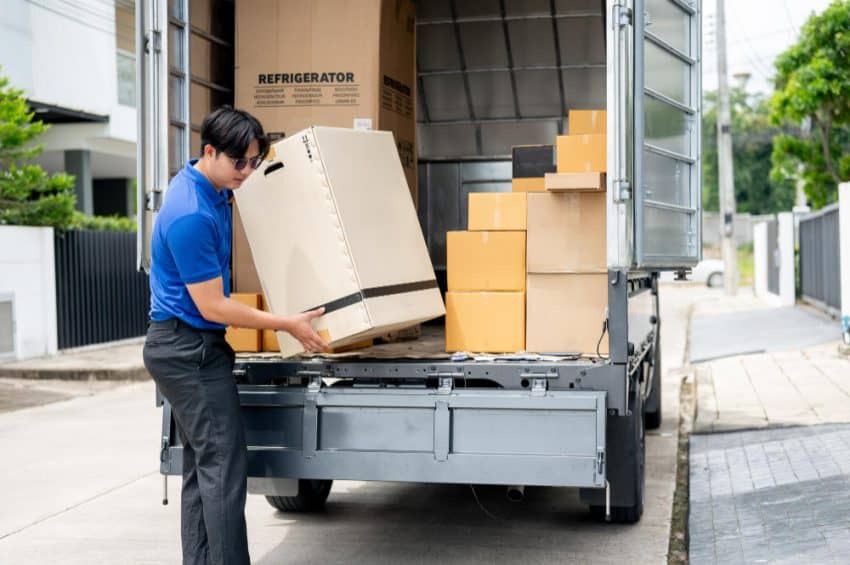
In the fast-paced world of logistics and transportation, the acronym FTL, which stands for Full Truckload, represents one of the most efficient and cost-effective methods of moving freight. Whether you’re a large manufacturer, retailer, or third-party logistics provider, understanding FTL shipping is crucial to optimizing supply chain operations, improving delivery times, and minimizing costs.
This comprehensive guide explores what FTL is, how it works, its advantages and disadvantages, cost structure, and how it compares to other freight options like LTL (Less-Than-Truckload). We will also look at how technology, sustainability, and the evolving logistics landscape are shaping the future of FTL freight transport.
What Is FTL Shipping?
FTL (Full Truckload) shipping refers to a transportation mode where a single truck is dedicated to carrying one shipment exclusively for one customer. Unlike LTL (Less-Than-Truckload), where multiple shippers share space within the same truck, an FTL shipment utilizes the entire trailer’s capacity—typically ranging from 26 to 30 pallets or up to around 45,000 pounds of freight.
Because the truck moves directly from the origin to the destination without intermediate stops, FTL shipping offers faster transit times, lower risk of damage, and more control over delivery schedules.
Key Characteristics of FTL Shipping
| Feature | Description |
| Cargo Volume | Large shipments that fill most or all of a trailer’s space or weight capacity. |
| Truck Type | Typically uses dry vans, refrigerated trucks (reefers), or flatbeds. |
| Transit Time | Direct route from pickup to delivery — no multiple handling points. |
| Cost Basis | Charged per truckload rather than per pallet or per weight. |
| Ideal For | Large manufacturers, distributors, or high-volume eCommerce shipments. |
How FTL Works in the Supply Chain
- Freight Preparation
The shipper prepares a high-volume load, usually palletized or packaged for easy loading. - Truck Booking
The shipper or a 3PL (Third-Party Logistics Provider) books an entire truck dedicated to their shipment. The carrier allocates a vehicle based on load requirements — temperature control, special handling, or open-deck transportation. - Loading and Transit
Once the freight is loaded, the truck departs directly for its destination without sharing space with other loads. This minimizes touchpoints, reducing the risk of loss or damage. - Delivery and Unloading
Upon arrival, the freight is unloaded and delivered as a single consignment. FTL shipments often benefit from real-time GPS tracking for greater visibility and accountability.
Types of FTL Services
1. Dry Van FTL
The most common type of FTL shipping, dry van trucks are enclosed trailers ideal for general cargo such as packaged goods, electronics, and non-perishable items.
2. Refrigerated (Reefer) FTL
For temperature-sensitive products such as pharmaceuticals, dairy, meat, or produce, reefer trucks maintain controlled conditions throughout transit.
3. Flatbed FTL
Flatbed trucks handle oversized or irregular freight such as machinery, steel beams, or construction materials that cannot fit inside a closed trailer.
4. Specialized FTL
For delicate or high-value items, specialized FTL services offer enhanced security, suspension systems, or custom-built trailers tailored to specific cargo needs.
Advantages of FTL Shipping
1. Speed and Efficiency
Since the truck travels directly from pickup to destination without multiple stops, FTL ensures faster delivery times. It is particularly beneficial for time-sensitive shipments and Just-In-Time (JIT) manufacturing models.
2. Reduced Risk of Damage
With fewer handling points and no freight mixing, FTL shipments experience a much lower chance of loss or damage compared to shared-truck solutions.
3. Predictable Scheduling
FTL offers greater control over pickup and delivery times, allowing companies to maintain reliable logistics planning and better coordination with warehouse operations.
4. Cost-Effectiveness for High Volume
Although the upfront cost of renting a full truckload is higher than LTL, FTL becomes more economical when shipping large quantities that fill most of a trailer.
5. Enhanced Security and Privacy
Since the freight is not shared with other customers, it provides better cargo security and is ideal for sensitive or branded goods that require discretion.
Disadvantages of FTL Shipping
While FTL provides many benefits, it also has some limitations that businesses should consider:
- Higher Cost for Small Shipments: If your cargo doesn’t fill the truck, you may pay for unused space.
- Limited Flexibility: Truck availability can fluctuate during peak seasons, affecting rates and scheduling.
- Storage and Loading Requirements: Requires adequate loading docks and warehouse space to handle full truckload volumes.
FTL vs. LTL: Which Should You Choose?
| Criteria | FTL (Full Truckload) | LTL (Less-Than-Truckload) |
| Volume | Large shipments (≥ 10,000 lbs) | Small to medium shipments |
| Speed | Faster, direct delivery | Slower, multiple stops |
| Handling | Minimal | Multiple loading/unloading points |
| Cost Structure | Per truckload | Based on weight and space used |
| Best For | High-volume or urgent deliveries | Small or frequent shipments |
In general, businesses should choose FTL when:
- They have enough freight to fill a truck.
- They need faster, direct delivery.
- The shipment contains fragile or high-value goods.
- The total LTL cost approaches or exceeds the price of booking a full truck.
How FTL Pricing Works
FTL shipping rates are influenced by several factors:
- Distance and Route: Long-haul routes naturally cost more, but efficiency improves for direct routes.
- Fuel Prices: Fluctuations in diesel prices directly impact carrier costs.
- Seasonality: Rates rise during peak periods (e.g., harvest season or holiday shipping).
- Trailer Type: Specialized trailers such as reefers or flatbeds increase pricing.
- Load Weight and Density: Heavy or dense cargo may require additional permits or fuel surcharges.
- Backhaul Opportunities: Carriers often offer lower rates for return trips with available capacity.
To manage pricing more efficiently, many shippers work with freight brokers or 3PLs who leverage a wide carrier network to negotiate better FTL rates.
Technology’s Role in Modern FTL Logistics
The FTL industry has undergone significant digital transformation over the past decade. Today, advanced technology enables more efficient, transparent, and data-driven logistics operations.
1. Real-Time Tracking
GPS and telematics allow shippers to track shipments in real-time, improving visibility and delivery accuracy.
2. Predictive Analytics
Data-driven platforms predict transit delays, optimize routes, and suggest the most cost-efficient carriers based on past performance.
3. Automated Freight Booking
Digital freight marketplaces and APIs have simplified FTL booking, making it easier for businesses to find available trucks instantly.
4. Sustainability and Green Logistics
Eco-friendly initiatives such as route optimization, load consolidation, and low-emission vehicles are helping reduce the carbon footprint of FTL operations.
Common Industries Using FTL Shipping
- Manufacturing: Raw materials and finished goods shipped in bulk.
- Retail & eCommerce: Large-volume inventory restocking.
- Food & Beverage: Temperature-controlled goods requiring direct transport.
- Construction: Heavy equipment and building materials.
- Automotive: Time-sensitive components and assembly parts.
Each sector relies on FTL to ensure timely deliveries, maintain quality control, and reduce overall transportation costs.
The Future of FTL Shipping
The future of Full Truckload logistics lies in digitalization, automation, and sustainability. With AI-powered route optimization, electric trucks, and blockchain-based supply chain tracking, the FTL sector is evolving into a more connected and environmentally conscious network.
Emerging technologies such as autonomous trucks, smart contracts, and IoT sensors will further enhance efficiency, reduce human error, and increase real-time visibility. Additionally, government regulations and global supply chain pressures are pushing companies toward cleaner, more energy-efficient FTL operations.
Conclusion
FTL (Full Truckload) shipping remains the backbone of global freight transport — fast, secure, and cost-effective for high-volume shipments. For businesses handling large orders or time-sensitive cargo, FTL provides unmatched control, reliability, and peace of mind.
As logistics continue to modernize, leveraging data analytics, automation, and sustainability will ensure that FTL shipping not only remains efficient but also future-ready for a rapidly evolving supply chain landscape.